Africa faces food insecurity

Three-quarters of African countries and several “Arab Spring” nations are at high or extreme risk of a food crisis, according to an analysis published on Wednesday.

In a survey of 197 countries, 59 are most at risk of food insecurity, the British consultancy Maplecroft said.

Thirty-nine of these are African, it said.

Out of the 11 countries that are in the “extreme risk” category, nine are in Africa.

They include Somalia and the Democratic Republic of Congo, which are ranked joint first, Burundi (4th), Chad (5th), Ethiopia (6th), Eritrea (7th), South Sudan (9th), the Comoros (10th) and Sierra Leone (11th).

Haiti (3rd) and Afghanistan (8th) are the other two countries in the extreme risk category.

“Although a food crisis has not emerged yet, there is potential for food-related upheaval across the most vulnerable regions,” including sub-Saharan African and Arab states, said Maplecroft’s Helen Hodge.

The 48 countries considered to be at “high” risk for food supplies include Yemen (15th), Syria (16th), Pakistan (27th), Papua New Guinea (33rd), North Korea (35th), Iraq (54th) and Libya (58th).

Egypt, ranked 71st of the 197 countries, and Tunisia, 100th, are among medium-risk countries.

Sources of food insecurity range from conflict and instability in the Sahel, DRC and eastern Africa to rising prices for corn, caused by the worst US drought in 50 years and declining production in former Soviet countries, Maplecroft said.

The report, called the Food Security Risk Index, is intended for governments, NGOs and businesses to identify countries that could be susceptible to hunger or unrest because of food shortages or price hikes.

“The drivers of the ‘Arab Awakening [Spring]’ were varied and complex and included long standing public anger at high levels of governmental corruption and oppressive tactics against populations and political opposition,” said Maplecroft.

“When these factors combine with food insecurity, sparked by rising global prices, it can create an environment for social unrest and regime change.”

Notable changes compared to last year’s rankings were North Korea (19th on the 2011 list); Egypt (88th) and Syria (89th). – AFP
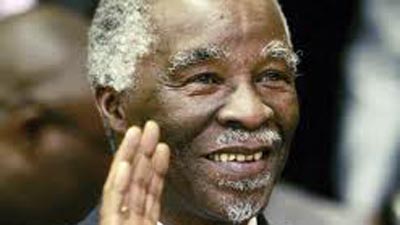
‘African Dream about to explode’

Thabo Mbeki

Former President Thabo Mbeki has warned of more Arab spring uprisings on the continent if African leaders continued to be “preoccupied” with enriching themselves and not being concerned about “the lives of the people”.

In an interview with The Sunday Independent, Mbeki said the patience of the youth and ordinary Africans was waning, and that their frustrations could explode.

He wrote in The Thinker magazine in September, quoting poet Langston Hughes, that if the African dream is deferred for much longer it will explode.

Asked this week if the explosion could amount to uprisings such as the Arab spring, Mbeki said: “If the African population continues to experience similar conditions as happened in Tunisia and Egypt, similar conditions of standards of living not improving, facing crises all the time, and a small elite which lives well and eats better every day, and flaunts its wealth… in the end these ordinary African people, like the ordinary African people of Tunisia, surely will say enough is enough, I think it is imperative of all our governments to clearly focus on this matter.”

Mbeki said he sensed some exasperation among African youth when he interacted with them throughout the continent.

“There is a level of impatience. And the determination to see things change for the better… It is the responsibility of government to respond to that voice and for the youth to understand their role, not rebellion, but to reconstruct the continent,” he said.

Mbeki wrote in The Thinker earlier that there were some African leaders, including some in SA, who came to power to accumulate wealth.

“You will see it in many parts of the continent where people assume positions of leadership… as an opportunity for self-enrichment.

“We’ve seen the same phenomenon here in South Africa, we are not immune… and somebody who is preoccupied with that is not about to be concerned about ‘what did I do wrong yesterday which has impacted negatively on the lives of the people’. [They are] not interested in that.”

He said this was partly why the AU failed to reflect on its successes and failures on its 10th anniversary this year. He told The Sunday Independent he hoped the 50th anniversary of the Organisation of African Unity, the AU’s predecessor, would provide an opportunity to review progress on continental issues.

“I think it is important not just to make speeches and say we celebrate. But say what has been our experience in the last 50 years, what has gone right and what has gone wrong.”

In The Thinker, he blasted the AU for being “consumed by the eminently subsidiary matter of who should chair the AU Commission, reflecting the malaise that is poisoning the African body politic”.