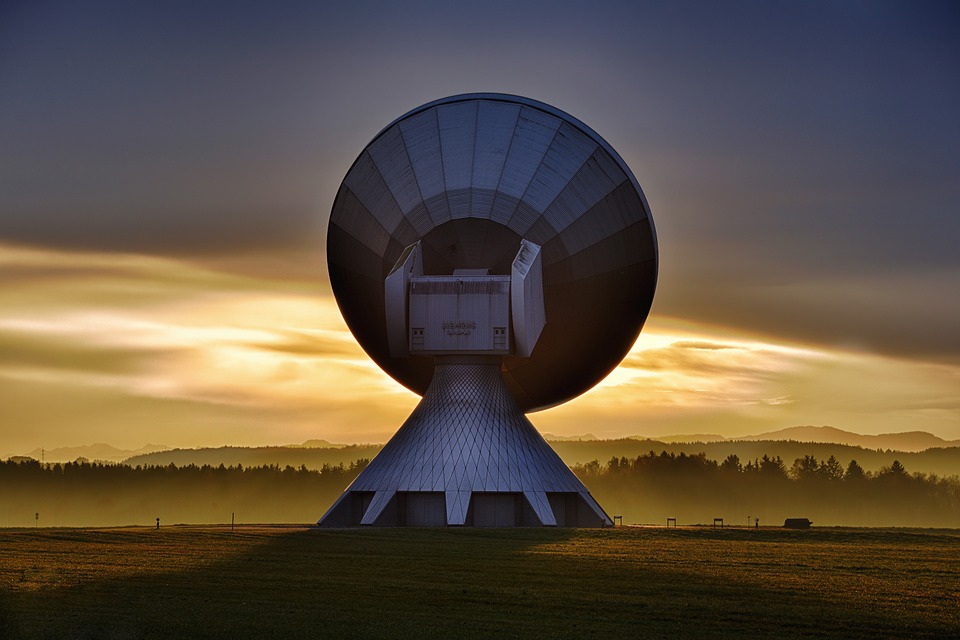
Harmful effects of electromagnetic field in a person

Do you use your cell phone as an alarm clock, sleeping with it close to your head? Do you type on your laptop all day, with the device laid out directly on your, well, lap? Many people nowadays walk around with any number of devices glued to their hand, and doctors are increasingly sounding the alarm on the significant health risks posed by these electronics. While the significant technological advances we have witnessed in the past decade alone is wondrous to behold, they also pose serious threats to our bodily integrity, especially when it comes to electromagnetic fields.

An electromagnetic field is a type of energy created by differences in voltage; the higher the voltage, the stronger the field. The radiation that emanates from man-made electromagnetic fields poses health threats in any one of the following ways:

1. Cataracts

Eye irritation and cataracts have been reported in individuals exposed to high levels of radio frequency from different devices, particularly in things like the microwave. So, definitely squash that impulse to babysit your reheating lunch by waiting for it and staring directly into  the microwave.

2. Depression

Depression was a disease that was often written off in the past, but with the passage of time, psychologist verified it as a very real and prominent issue plaguing many humans around the world. According to recent findings, one of the risks of EMF radiation in some individuals has been a level of previously undetected “hypersensitivity.” This can happen in the form of aches, pains, or frequent headaches. An attendant form of depression can also occur, as many have reported feelings of lethargy, sleeping disorders, and other emotional or behavioral problems associated with frequent exposure to radiation. While scientists are still trying to confirm these findings, the results of studies conducted thus far have been disconcerting.

3. Cancer

If you haven’t previously heard much about the disastrous effects of electromagnetic radiation, you most assuredly have at least come across the claim that they have a direct effect on increasing the likelihood of cancer. While this remains a controversial prognosis, the bodily harm caused by increasing levels of radiation cannot be underestimated.

For example, communities that reside near nuclear plants have been shown to have a much higher predisposition towards cancer and other harmful, terminal illnesses. So, while the science is perhaps hesitant to render the linkage set in stone, the correlation between cancer and electromagnetic radiation can’t exactly be swept under the rug.

4. Pregnancy

This is another common association with electromagnetic radiation: pregnant women exposed to high levels of EMF run the risk of malformations, low birth weight, congenital diseases, and even spontaneous abortions. Unlike the correlation with cancer, this health risk is well acknowledged by the medical and scientific establishments.

5. General Health

Besides the major health risks mentioned above, EMF has been blamed for everything from an increase in anxiety disorders, regular headaches, a loss of libido, to constant fatigue. While perhaps these are harder to quantify than a full-blown illness, it’s safe to assume that the presumed health consequences of EMF far outweigh the positives.

Finally, while perhaps the scientific evidence of the effects of high levels of EMF radiation on humans remains somewhat inconclusive, there are enough warning signs to vouch for its dangers. So, next time you decide that you absolutely cannot part with your phone or iPad, think again…

US clamps down on cancer scam

The US government has charged four cancer charities with misusing more than $187m in donations, with two agreeing to be dissolved and two fighting the allegations, the Federal Trade Commission said on Tuesday.

The FTC, 50 states and the District of Columbia charged the Cancer Fund of America, Cancer Support Services Inc, the Children’s Cancer Fund of America and the Breast Cancer Society Inc with collecting millions of dollars in donations but doing little to help patients.

The Children’s Cancer Fund of America and Breast Cancer Society Inc settled with the government and agreed to shut down. Three officials from the organizations also settled and agreed to be banned from charitable fundraising.

The Cancer Fund of America opted to fight the government in court, as did the related Cancer Support Services organization and its president, James Reynolds Sr.

The Center for Investigative Reporting put the Cancer Fund of America second on its America’s Worst Charities list. Based on data from December, it said the group raised $86.8m for charity but gave just 1% of that to cancer patients.

The Children’s Cancer Fund of America ranked No 9.

The FTC said in its complaint that the organizations portrayed themselves as legitimate charities to raise money from telemarketing calls and from the Combined Federal Campaign, which collects from US government employees.

Instead, the complaint said, the groups “operated as personal fiefdoms characterized by rampant nepotism, flagrant conflicts of interest, and excessive insider compensation, with none of the financial and governance controls that any bona fide charity would have adopted”.

Professional fundraisers that they hired sometimes kept 85% of what they collected, the FTC said.

The agency said the organizations inflated their revenues to hide their misuse of donations.

The FTC said it had proposed judgments of $65m against the Breast Cancer Society and $30m against the Children’s Cancer Fund of America, which is what they collected from 2008 to 2012.

Source: Reuters

Fracking could cause cancer

windpomp-karooShale gas exploration, currently planned in the Karoo, won’t only negatively affect the environment and water resources in that region, but could pose significant health risks to surrounding communities, a Cape Town academic has warned.

These include cancer and the risk of tuberculosis.

Professor Bob Mash, head of family medicine at Stellenbosch University, said while fracking might reduce carbon emissions associated with the use of coal and had substantial economic benefits for the country, the drilling and fracking processes – which released hundreds of harmful chemicals, including silica – not only posed health risks to workers, but to other people as far as 200km away.

South Africa is about to embark on exploratory high-volume hydraulic fracturing to extract huge reserves of natural gas contained in the shale rock.

The government is expected to publish final regulations for hydraulic fracturing, otherwise known as fracking, this month, but President Jacob Zuma has already labelled the development of shale as a “game-changer” for South Africa’s economy.

Writing in the SA Medical Journal, Mash said exposure of workers to silica over long periods not only resulted in lung diseases such as silicosis and TB, but use of potential carcinogens during fracking, such as benzene, cadmium, ethylbenzene, formaldehyde, nickel sulphate and boric acid, could result in the development of various cancers.

Cadmium was linked to lung cancer as well as kidney, breast and prostate cancer while ethylbenzene was a possible carcinogen with links to kidney damage. Formaldehyde was linked to leukaemia and brain tumours.

Mash said no comprehensive health assessments had been done as part of the decision-making up to now, prompting him to call for a precautionary approach to fracking in South Africa.

Exploratory fracking was expected to cover an area of about 200 000km2, including the Karoo, parts of the Free State, Northern Cape, Eastern Cape and portions of KwaZulu-Natal.

“The voice of the health profession should be part of the debate, and a full health assessment is required before companies are given the go-ahead to drill,” Mash said.

Source: IOL

Scientists steer nanomotors inside living human cells

nanomotorsScientists at Penn State University have successfully controlled tiny nanomotors inside living human cells. Consisting of tiny, rocket-shaped bits of metal, the nanomotors were propelled by ultrasonic waves and steered with magnets. Researcher Tom Mallouk wasn’t afraid to talk up potential future applications, saying that the technology could one day be used “to treat cancer and other diseases by mechanically manipulating cells from the inside.” Once inside a living cell, the nanomotors could pulverize the cell’s contents like an “egg beater” or just break the cell’s membrane, Penn State’s note about the research says, which could allow for targeted attacks on specific cells. More importantly, Mallouk says that the nanomotors were able to move independently of one another, instead of the “whole mass of them going in one direction.”

Though it’s a long way off from Mallouk’s self-stated dream of “Fantastic Voyage-style medicine, where nanomotors would cruise around inside the body, communicating with each other and performing various kinds of diagnoses and therapy,” it is the first time that nanomotors have worked inside living cells. Previously, nanomotors required toxic fuels to operate, which obviously wouldn’t work on living tissue. Working inside actual living animals is still a ways off, Mallouk tells CNN that it would be a decade or more before research hit that stage.

Source: theverge.com

Outdoor air pollution classified as carcinogenic by World Health Organization

air pollutionby Melissa Roper

It is not yet certain if climate change is the result of anthropogenic-sourced carbon emissions or, on the contrary, is a Sun-influenced phenomenon. As the debate on global warming versus global cooling continues, results of recent research draw attention towards an equally worrying side-effect of industry greenhouse gas emissions – the fatal implications of air pollution on human health. Earlier this month, 24 experts from 11 countries met at the International Agency for Cancer Research (IARC) headquarters in Lyon to assess the correlation between cancer and air pollution. IARC is the cancer specialized agency of the World Health Organization (WHO), the coordinating authority for health within the United Nations.

Cancer and air pollution: two widespread phenomena

The scientists evaluated over 1000 papers analysing the carcinogenicity of particulate matter and transport-related pollutants, and the results of the study will be published as Volume 109 of the IARC Monographs. According to the study’s Press release published on 17th October 2013, “outdoor air pollution [is] a leading environmental cause of cancer deaths”. This conclusion is the first paper to officially link the two:  both the worldwide rate of cancer and global air pollution have become alarmingly widespread phenomena in the past decades.  Cancer has become so common, that the international medical industry was revolutionized in order to address the problem in evermore effective ways. As Licensed Prescriptions explain, it has become possible to diagnose, prevent and treat cancer quickly, in some cases even without the need of a biopsy. One of the reasons why cancer has become such a frequent problem may be that “the air we breathe has become polluted with a mixture of cancer-causing substances” as summarized by Dr. Kurt Straif, Head of IARC Monographs.

Sources and effects of air pollution

The IARC study reports that although air pollution comes from a mixture of natural and anthropogenic sources, “the predominant sources of outdoor air pollution are transportation, stationary power generation, industrial and agricultural emissions, and residential heating and cooking. Generally, the burning of fuels – oil, coal, gas or wood – release elements such as particulate matter, carbon monoxide, sulphur oxides, and metals (lead, in particular) into the air. Humans breathe in these particles, which get stuck in the lung tissue and produce breathing affections and cancer on the long term.

South Africa air pollution

The University of Western Cape’s Biodiversity and Conservation Biology Department (BCB) also discusses air pollution, stating that “pollution from exhaust gases of vehicles is responsible for 60% of all air pollution and in cities up to 80%”, with lead being one of the most dangerous chemicals emitted by the transport industry. Combustion of coal is also acknowledged as a major source of air pollution leading to possible fatal effects. For South Africa in particular, one of the dangerous side effects of burning coal is acid rain, affecting stone, metal and brick elements. Highly acid rain, snow, hail or fog is produced when sulphur and nitrogen dioxides combine with the atmospheric moisture. “Coal in South Africa is rich in sulphur and the power stations in the Mpumalanga Province could be responsible for acid rain over other areas of our country”, explains the BCB.

Indeed, as announced by Greenpeace in August 2013, Witbank, a town outside of Johannesburg, has “some of the world’s most polluted air”. This can be linked with the activity of the 11 coal-fired power stations situated across Mpumalanga. Witbank is also the place where 83% of South Africa’s coal is mined.

Improving the National Ambient Air Quality

South African air is polluted by the high sulphur dioxide and particulate matter concentrations resulted from power-generation and industrial burning of coal.  This urgent matter was addressed by the most recent air quality governance approach, the Air Quality Act of 2004 and the recent National Ambient Air Quality Standards 2010. Key directions of the new approach include: Decentralisation of air quality management responsibilities; Requirements that all significant sources be identified, quantified and addressed; Setting of ambient air quality targets as goals to achieve emission reductions. The National Standards sets limits for the following airborne particles: Sulphur dioxide (SO2), Nitrogen dioxide (NO2), Particulate matter (PM 10 – 10 micrometre diameter), Ozone (O3), Benzene (C6H6), Lead (Pb) and Carbon monoxide (CO). The required date of compliance with the standards depends on each element, from “immediate” (2010) to January 1st 2015.

Fracking will pollute water, causing cancer

Artist's impression of the fracking process

KwaZulu-Natal – SA’s top water research body has warned the government to think carefully about the serious risk of water pollution from cancer-causing chemicals and radioactive compounds from future underground “fracking” operations across huge swathes of the country.

A new report by the state-funded Water Research Commission says shale gas rock-fracturing (fracking) will not only happen in remote sections of the Karoo. In fact, the government had already issued fracking exploration permits in six of the nine provinces, including a massive chunk of southern KwaZulu-Natal stretching almost as far north as Pietermaritzburg.

The scientists note that future fracking, at depths 4km below the earth’s surface, could be over a much wider area of the country – including most of the high-lying areas south of latitude 29°C in KZN (a line which starts at Mtunzini in the east and stretches inland past Estcourt towards Bloemfontein and Kimberley).

The report also identifies a number of risks to human health, water and the natural environment from fracking wells. These risks included:

– Widespread pollution of groundwater, rivers and lakes with dozens of cancer-causing fracking compounds and other “highly toxic” pollutants such as benzene, hydrochloric acid and isopropanol.

– Accidental release of underground uranium and other radioactive elements into the water and soil.

– Underground mini-earthquakes, cave-ins and land subsidence.

– Privatisation of parks and other state land where the public is excluded from fracking land and gas fields for safety reasons.

– Above-ground air pollution from methane and other shale gas wells.

– Lower property values.

However, water pollution is the main emphasis of the 84-page Water Research Commission report by Gideon Steyl (University of the Free State chemistry department), Gerrit van Tonder (University of the Free State Institute for Groundwater Studies) and Luc Chevallier (Council for Geoscience).

The scientists note that gas-drilling companies in the US have been trying to hide the toxic nature of many fracking chemicals.

However, the commission cites a report from the US House of Representatives last year which identified at least 29 commonly used fracking chemicals that were known or probable cancer-causing agents, or were regulated as hazardous to drinking water and air.

These chemicals are mixed with water and pumped underground at very high pressure to fracture and crack the rock formations to release buried pockets of methane and other gas formed millions of years ago from rotting mounds of mud, vegetation, algae and other organic matter.

Some chemicals included benzene (a known cancer-causing chemical) along with a variety of acids and petroleum products.

A study by the University of Buffalo in the US last year also raised concern about the possible release of underground uranium and other radioactive compounds when rocks are cracked up with hydrochloric acid.

Another US study published last year showed that the methane gas level in underground drinking water was generally 17 times higher in fracking areas compared with well water where no fracking took place.

However, Steyl and his colleagues voiced dismay over the difficulty in tracking down truly unbiased international studies on the impacts of fracking, since most were done by industry and private interests.

Even official US government reports claiming no damage to public health or the environment stood in contradiction to numerous adverse reports by US citizens and the US Environmental Protection Agency.

The commission researchers note that a single fracking event in a single well used the same amount of water needed to irrigate eight to 10ha of maize during a growing season.

Every time a well was fracked, large volumes of chemicals were added to the water-pressure mixture. Although chemicals only made up between 0.5 and 2 percent of the mixture, the volume of hazardous chemicals in a single fracking event could total between 34 000 and 136 000 litres.

Even if just 1 percent of dangerous fracking chemicals leaked out of the concrete well drillings during a single fracking, Steyl estimated that 490 litres of hazardous chemicals could contaminate underground water. This could pose “serious hazards” to the environment and to underground water drunk by people and livestock.

Despite these concerns, the scientists appear to recognise that fracking is a fait accompli and they have listed a set of 10 recommendations to limit harm. They include compulsory “full disclosure” of every chemical used. Any fracking well should be at least 10km away from residential areas to reduce chemical exposure risks.

All drilling records should be freely available to the public, and a thorough baseline study should be done to measure pre-fracking quality of water, soil and air by an “unbiased” body such as a university.

Legal action should also be taken against any drilling company after a first offence. They should be forced to clean up damage, and be banned from future fracking in SA. However, even in the US, there were fewer than 10 inspectors to monitor more than 3 500 fracking wells in Pennsylvania. – The Mercury

Cancer patients dying in South African hospitals due to non-treatment

Public hospitals are the lifeline of most South Africans, with 41 million people dependent on the public health system. Of the 50 million people in South Africa , only about eight million are covered by medical insurance . Yet poor service delivery due to easily rectifiable issues has led to the demise of many patients. Considering that South Africa has the largest health budget in Africa , this is deplorable!

Lack of access to medication, broken machinery and rescheduling has made receiving life-saving cancer treatment very difficult to access for many patients. One of the common reasons that suppliers of these specialised cancer machines have refused to fix them is because the Gauteng Department of Health hasn’t paid outstanding bills. Other issues experienced by patients include problems accessing medication and dealing with poor hospital administration. These are recurring issues which seem to only ever receive temporary solutions from government and hospital CEOs.

“This is unacceptable! Quality healthcare, which includes timely diagnosis and treatment, is a basic human right for all,” says Salom� Meyer, member of the Executive Council of the Cancer Alliance

Due to the Gauteng Department of Health’s slow reactions to these complaints, the Cancer Alliance supports and encourages Campaigning for Cancer (C4C), and other cancer alliance advocacy NGOs, to fight on behalf of patients. Many patients have approached Campaigning for Cancer as their last hope, while others are waiting for the system to correct itself, as they are unaware of an alternative or are afraid of recrimination.

“Patient treatment is severely compromised due to the unavailability of equipment. Even just one month of delay can change the outcome of treatment – this is the difference between life and death for many patients,” says Joel Perry, a Cancer Alliance member.

Veronica Holman is one of the patients that has been struggling to get treatment. Veronica is a lung cancer survivor who went to Charlotte Maxeke Hospital for a check-up in April of this year. She was informed that her tumour had grown and would need to receive chemotherapy. Her first chemotherapy treatment was successful, but things went downhill from there on out.

Veronica’s second chemotherapy was due on 2 May, but when she arrived at the hospital, she was told she couldn’t receive her treatment because the drug shipment had not arrived. For two weeks, she kept phoning the hospital to find out when the drug would become available.

After hitting a brick wall, Veronica contacted Campaigning for Cancer to assist her with getting access to her treatment. It was only after they contacted with Department of Health with an official letter of complaint on 17 May that Veronica finally received her treatment.

“Chemotherapy and radiation therapy cannot be interrupted; each patient requires full cycles of chemotherapy and radiation, within protocoled timeframes, for their treatment to be effective. This is putting patient’s lives at stake and will have poor outcomes for each one of them,” says, Devan Moodley, Oncologist.

Theresa Alberts, another cancer survivor, battled with rescheduling and equipment problems. Theresa had a scan confirmed for 9 February at Steve Biko Academic Hospital, but on 31 January, she received a phone call from the hospital to tell her that her appointment had been rescheduled for 23 February. But on 9 February the hospital contacted her again and told her that her appointment for the 23rd had been cancelled until further notice due to the fact that the machines were out of order.

“The last scan was very important as it would determine how much chemo and radiation I would need. I was very unhappy about this as I did not know how far the cancer had spread and how the delay of the treatment would affect my outcome,” says Theresa.

She was told that the situation was unfortunate, but there was nothing they could do about it. Her situation finally resolved itself, and in March 2012 she started receiving treatment again. In late March her treatment was interrupted again, because of more equipment issues. Luckily, things seem to be on track again.

“Cancer treatment is not like any other disease treatment. When treatment is not available, cancer patients begin to feel powerless, and it shatters the hope of patients and their families,” says oncology social worker Linda Greeff, a Cancer Alliance Member.

Roland Murphy, a prostate cancer patient at Charlotte Maxeke Hospital, was affected severely by this problem. In 2010, Roland’s cancer returned and he was put on Casodex. But in March of this year, he was told that he had become hormone resistant to the medication and would need to triple his dose.

When his granddaughter, Vicky Churchill, went to the hospital pharmacy to collect the medication, she was told they don’t have it in stock. On 8 June, Roland went back to the hospital and notified his doctor that there was no stock of his medication. His doctor gave him a new script for the same drug, saying there is now a steady supply, but again, there was no medication in stock.

His doctor has reassured her that it’s not urgent, but “the fact remains that cancer spreads and without the right treatment how far and how quickly will it spread through his bones?”

If Healthcare is a basic human right, the question must be asked: why aren’t South Africans getting it?

About the Cancer Alliance

The Cancer Alliance is a collective group of cancer control non-profit organisations and cancer advocates brought together under a common mandate as result of the May 2011 Voice of Cancer Survivor Forum, a platform which allowed cancer survivors to express their needs regarding access to quality of care, attitudes, practices, policies of cancer control and services in South Africa

The Alliance seeks to provide a platform of collaboration for cancer civil society to speak with one voice and be a powerful tool to effect change for all South Africans affected by cancer. The Alliance will act as a watchful eye on strategies and policies that ensure the significant reduction of South Africa’s cancer burden and improved access to care for all cancer patients.

The Cancer Alliance will achieve this through the publication of position statements/papers and baseline papers as well as public messaging relating to such publications. This will be strengthened with focused advocacy and lobbying activities with relevant stakeholders regarding issues faced by all South Africa’s Cancer patients.

The members of the Cancer Alliance include; amabele Belles, African Organisation for Research and Training in Cancer (ORTIC), Brain Tumor Foundation SA, Breast Health Foundation, Campaigning for Cancer, Can-Sir, CANSA, CHOC, Cancer Buddies, Hospice Palliative Care Association SA, IGAZI Foundation, Journey of Hope, Look Good Feel Better, National Council Against Smoking, National Kidney Foundation of South Africa, People Living With Cancer, Pink Drive, Reach for Recovery, The Sunflower Fund, The Vrede Foundation and individual advocates.

Issued on behalf of the Cancer Alliance