Parliament should not “entertain” the memorandum by the youth wing of AfriForum, the Afrikaans rights lobby group, demanding universities should stop asking students to declare their race on application forms for placements and bursaries, said the Higher Education Transformation Network (HETN) on Monday.
“We urge Parliament to reject the proposals of AfriForum [Youth], as contained in their memorandum, on the grounds that the reasons for [declaring] race on forms and elsewhere in statutory bodies have not been addressed, let alone solved,” said Hendrick Makaneta, HETN’s spokesperson.
“It therefore remains inappropriate to even think of entertaining the memorandum from AfriForum,” he said.
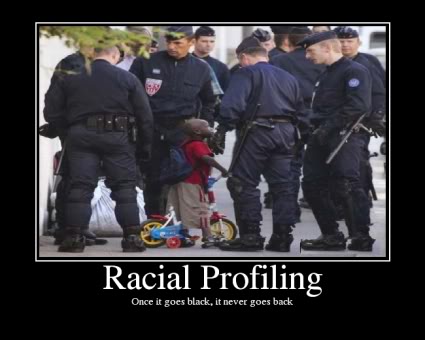
AfriForum Youth delivered to Parliament on Heritage Day last week what they said was a memorandum against “racial profiling” by admission policies of the country’s universities. Charl Oberholzer, the organisation’s chairperson, told the Mail & Guardian on Monday it wants university admission policies to favour “all poor people, not just black people”.
“If we use socioeconomic conditions as a yardstick, instead of race, we’d all be better off. This would help all South Africans,” said Oberholzer.
“We shouldn’t have pro-race policies, but pro-poor policies. We can’t say all blacks are poor and all whites are rich.”
Race-based admissions
But HETN reminded AfriForum that race-based admissions are key to help empower disadvantaged communities and redress inequalities in the country.
“It is necessary for students to enter their race on admission and bursary forms in order to enable the institutions to keep track of whether or not they are doing enough to reverse more than three centuries of oppression and academic exclusion of black students, particularly in historically white institutions,” Makaneta said.
“The call from AfriForum is misplaced as it lacks the necessary will to take into cognisance more than 350 years of colonialism and oppression, which affected Africans in particular and black people in general.”
A lobby group that is already challenging institutions such as the University of Pretoria to transform, HETN claims to have up to 3 000 alumni members – most of whom are black. But Oberholzer dismissed it as an “organisation that has no support, [and] speaks for a few individuals”.
Oberholzer said AfriForum Youth’s proposal is designed to ensure the “black elite don’t benefit” from admission policies. “For example, it’s not fair that Tokyo Sexwale’s son benefits from affirmative action or gets into medical school based on his race. He’s already a billionaire,” he said.
He said there are many poor whites that are denied access. Whether one was poor could be determined in the same way candidates are granted study loans by the National Student Financial Aid Scheme of South Africa (NSFAS).
“When you apply for NSFAS, they know your parents’ income and where you come from. The same would apply for admissions.”
Afrikaans students
The AfriForum Youth student members who delivered the memorandum came from the University of Stellenbosch, the University of the Free State, the University of Pretoria and the North-West University, the organisation said. These are universities with sizeable number of Afrikaans students.
Moeketsi Letseka, senior researcher at the University of South Africa, said AfriForum Youth’s argument “doesn’t gel, not in this country”.
“Within 20 years of democracy we can’t just act like we’re a race-free country,” said Letseka.
“We can’t dispute that blacks have endured 350 years of unfairness.”
The white South Africans who usually “get paraded on TV as poor” are “not even a fraction of whites”, the majority of whom are wealthy, said Letseka.
There was still pressure on the country’s universities to ensure empowerment of the majority, he said. The declaration of a potential student’s race and supply of pertinent circumstantial information on application forms help universities establish the background of applicants, said Letseka. – M&G